
1.0 Introduction
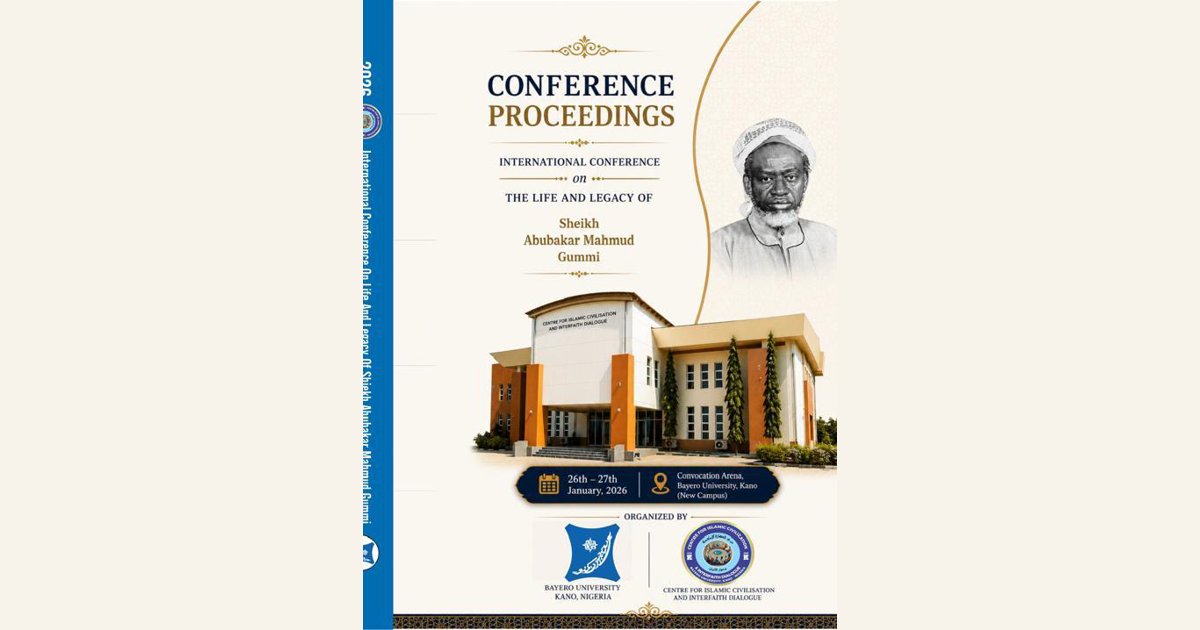
The idea of keeping Islam pure and true to its original form is very important in Islamic teachings. Many scholars, including Sheikh Abubakar, emphasize the need to follow the original teachings of the Prophet Muhammad (PBUH) (Ramadan 2012). This approach is rooted in the Qur’an verse “This days I have perfected your religion for you” (Qur’an 5:3). Sheikh Abubakar is a well-known Islamic scholar who believes Muslims should go back to the way Islam was practiced originally and reject new practices that he thinks are not part of true Islam. For example, he has criticized some Sufi practices, like celebrating the Prophet's birthday (Maulid), which he believes are not based on Islamic teachings (Abubakar 2005). He has also argued that focusing on saints and building shrines goes against the true teachings of Islam (Haron 2005).Sheikh Abubakar's teachings against innovation in Islamic practice have significant implications for social reform. While his emphasis on doctrinal purity is important, it may limit the potential for meaningful reform. A balanced approach, considering both Islamic principles and social context, is necessary for Muslim societies' progress. This study employs a qualitative approach, analyzing Sheikh Abubakar's writings and relevant literature. A critical discourse analysis will be conducted to examine the implications of his teachings. This study is grounded in Islamic reform theory, which emphasizes the need for reinterpretation and contextualization of Islamic teachings (Arkoun, 2002). The framework highlights the importance of balancing doctrinal purity with social reform.By looking at his writings and sermons, this research will investigate whether his approach can help solve the challenges facing Muslim communities today. As Muhammad Qasim Zaman points out, the debate over new practices in Islam is complex, with different scholars and leaders having different opinions (Zaman 2002). This study will contribute to this discussion by exploring Sheikh Abubakar's teachings and how they relate to current Islamic debates. 2.0 Biography of Sheikh Abubakar Mahmud Gumi Sheikh Abubakar Mahmud Gumi was born on November 5, 1922, in Gummi, Zamfara State, Nigeria, which coincidence the last Friday of Ramadan in the Islamic year 1344AH to a family of an Islamic scholar and Alkali (judge) of Gumi (Ahmad, 1986). His father, Mahmud was a respected Alkali (judge) and Islamic scholar. He was born in an established family (bait Ilm) with a strong tradition of Islamic learning.He was brought up under his parent`s care, and his father had always looked after him to the utmost of his best. Thus, he was given ample opportunity to demonstrate his knowledge, and to give his opinions on different issues (Ahmad 1986). 2.1 His Education Sheikh Gumi's educational journey began under the guidance of his father, Malam Mahmud Na-Gumi. He memorized the Quran and studied important books of the Maliki school of Law, such as Risalah Abi Zaid al-Qirawani (Ahmad, 1986). He attended traditional Islamic school (MakarantarAllo) and later began Western education at Dogon Daji elementary school in 1933 (Huzaifa,2015). Gumis’s passion for Islamic studies led him to become a leader of prayer and oversee religious activities for student. He furthered his education at Sokoto middle school, where he interacted with notable figures like Sir Ahmadu Bello and Shehu Shagari. Sheikh Gumi's academic journey continued at Sokoto Middle School (1936-1942), where he excelled and was later admitted to Kano Law School (Huzaifa, 2015). After completing his studies at the law school, he pursued further education at the School for Arabic Studies in Kano (1952- 1954), where he obtained a higher elementary training certificate (Ahmad, 1986). Sheikh Gumi's academic excellence earned him a scholarship to pursue a Higher Diploma in Education at the Bakhtal-Rida Institute of Education in Sudan (1955-1956) (Ahmad, 1986). This opportunity likely enhanced his knowledge, teaching skills, and leadership abilities, ultimately contributing to his influential role as a prominent Islamic scholar and Grand Khadi in Nigeria. 2.2 Academic Achievements Sheikh Abubakar Mahmud Gumi's academic excellence and unwavering dedication to Islamic learning garnered him widespread recognition and respect within the scholarly community. His profound and diversified knowledge in various Islamic disciplines including jurisprudence, theology, and exegesis, earned him a reputation as a leading authority in Islamic scholarship (Ahmad, 1986). As noted by Ahmad, Sheikh Gumi's intellectual pursuits were characterized by an insatiable quest for knowledge, which led him to study privately under numerous esteemed scholars (Ahmad, 4). These informal learning sessions, often conducted in the scholars' homes or other private settings, enabled Sheikh Gumi to engage with prominent Ulama and further expand his knowledge. Sheikh Gumi's scholarly contributions have had a lasting impact on Islamic thought and learning. His expertise in Islamic sciences, coupled with his ability to articulate complex ideas in a clear and concise manner, made him a prominent reference on religious matters. Through his writings, teachings, and public engagements, Sheikh Gumi played a significant role in shaping the intellectual and spiritual landscape of his time. His legacy continues to inspire and inform contemporary discussions on Islamic theology, law, and spirituality. 3.0 Sheikh Gumi's View on Innovations in Faith According to Sheikh Abubakar Gumi, all innovations in Religion (Iman) are considered blameworthy and constitute a major sin. He rejected the idea of "good innovations" in Religion, likely basing his stance on prophetic traditions A well-known hadith supports Sheikh Gumi's view:
On the authority of Aisha (RA) the Prophet (PBUH) said "Whosoever introduces into our matter [Islam] something that does not belong to it, it is to be rejected" (Sahih Bukhari 2697, Muslim 1718, Sunan Ibn Majah 14) Muslim should ensure their beliefs and practices are authentic, based on reliable evidence, and be accountable for their actions. They should protect Islam’s integrity by avoiding innovations and following the prophet’s authentic teachings. To apply this, Muslims should verify information through reliable sources, follow the early Muslim community’s practices, be cautions of innovations, and continuously seek knowledge to avoid deviations. By doing so, Muslim can align their beliefs and practices with Islam’s authentic teachings. This quote highlights the need to keep Islamic practices pure, a view strongly supported by traditional scholars (Khan). He also points to historical events where the introduction of new practices led to divisions within the Muslim community. For example, during the Umayyad Caliphate, different sects arose from varying interpretations and practices, showing that innovation can cause confusion and division among Muslims. Moreover, Sheikh Abubakar emphasizes the importance of consensus among scholars, known as "Ijma." He argues that any new practices that lack support from the Quran, Sunnah, or agreement among scholars should be looked at carefully. For instance, he talks about certain religious rituals; if they are new and do not have a historical basis or scholar support, they could mislead believers. He encourages sticking to tried-and-true methods of teaching. A practical example of Sheikh Abubakar's teachings can be seen in his response to modern practices, especially regarding the use of social media to spread Islamic teachings. While he values the use of technology, he warns against sharing unverified or new interpretations of Islam online. He encourages people to rely on established sources and traditional teachings to avoid confusion. In summary, Sheikh Abubakar's views against innovation in Islamic practice stress the importance of keeping the original foundations of Islam strong. He teaches that it’s crucial to maintain unity and authenticity and to balance modern influences with core Islamic values. 4.0 Critique of Innovation in Islamic Practice Islamic scholars have debated whether changing religious practices (called "Innovation" or bid'ah) is okay. Many like Sheikh Abubakar believe new practices can harm Islam. They worry that changes might make Islamic beliefs unclear or less true. Sheikh Abubakar's book argues that following the Prophet Muhammad is crucial. He says, "Every new practice is wrong" (Abubakar, 2005). He gives examples of modern practices, like fancy celebrations for holidays like Ramadan and Eid, which he thinks focus too much on things like money and decorations rather than faith (Abubakar, 2005). He also warns about mixing cultural traditions with religious ones (Abubakar, 2005), saying this can lead people away from the true teachings.Other scholars, like Ibn Taymiyyah also criticized innovations, saying some could lead Muslims away from the core Islamic teachings (Ibn Taymiyyah, 2007). According to him, harmful innovations can be categorized into two main types: Innovations that have no basis in the Shari’ah such as celebrating the prophet’s birthday (Mawlid) or adding new rituals to worship that were not practiced by the prophet or his companions. Innovation that contradicts the Shari’ah: these are practices that may have a basis in Islam but are implemented in ways that contradict the teachings of the Qur’an and hadith. For instance using decorative beads for prayer or reciting the Qur’an and with the intention of transferring its reward to the deceased without any basis in the Shari’ah, some people argue that Islam should change to fit modern life, but Sheikh Abubakar points out those changes in the past have sometimes caused divisions among Muslims (Abubakar, 2015). He believes sticking to traditional practices is important for keeping the faith unified. In nutshell, many Islamic scholars worry about new practices changing the religion. Sheikh Abubakar's book gives many reasons why using history and religious texts. While discussions about adapting to modern life continue, the importance of carefully considering new traditions remains vital to keeping the Islamic faith strong. 5.0 Sheikh Gumi's Perspective on Bid’ah Sheikh Abubakar Gumi's critical examination of bid'ah (innovation) underscores the necessity for Muslims to remain vigilant against introducing new practices that may undermine the authenticity and integrity of their faith. Bid'ah, as defined by Sheikh Gumi, represents a significant concern within Islamic discourse, as it threatens the purity of religious practices and beliefs. Gumi articulates that bid'ah can be broadly categorized into two main forms: 1. Bid’ah in Iman (Faith): This category includes innovations that directly affect one's beliefs and core Islamic tenets, such as the oneness of God (Tawheed), Prophethood, and the afterlife. Sheikh Gumi asserts that any alteration or addition to the foundational beliefs of Islam is unacceptable, as it can lead to a distortion of the faith. He emphasizes that "on no account could this type of innovation be allowed in matters relating to faith, like the articles of belief, prayers, or other rituals" (Gumi & Tsiga, 1992). This stance reflects a deep commitment to preserving the original tenets of Islam as understood by the early generations of Muslims (Salaf). 2. Bidah in Muamalat (Social Dealings): This category pertains to innovations that influence social interactions, practices, and the general conduct of Muslims within society. Sheikh Gumi recognizes that while some innovations may appear benign, they can still alter the social fabric and create divisions within the Muslim community. In his exploration of bid’ah in muamalat, Sheikh Gumi further categorizes this form of innovation into three distinct types: 1. Wajib (Obligatory): These are necessary innovations that serve the greater good of the community. For instance, innovations that enhance the administration of justice or improve educational systems can be deemed obligatory when they align with Islamic principles and contribute positively to societal welfare. 2. Mustahab (Recommended): Innovations that are commendable and beneficial fall under this category. These are practices that enhance the spiritual and social welfare of the community, such as organizing collective prayers or charity drives, which may not have been explicitly practiced during the Prophet's time but serve to strengthen communal ties. 3. Mubah (Permitted): Neutral innovations that do not inherently harm or benefit the community are classified as mubah. This category allows for flexibility in social practices, provided they do not contradict Islamic principles. Sheikh Gumi argues that such innovations can be accepted, as long as they are evaluated critically against the foundational teachings of Islam. Sheikh Gumi's nuanced approach to bid’ah acknowledges that while there is a need to guard against harmful innovations in faith, there is also space for beneficial social practices that can adapt to the evolving needs of the Muslim community. His teachings serve as a call for critical engagement with contemporary issues, urging Muslims to discern between harmful and beneficial innovations. Ultimately, Sheikh Gumi's perspective on bid’ah not only emphasizes the importance of maintaining the authenticity of Islamic teachings but also encourages the community to engage constructively with modernity while remaining firmly rooted in their faith. By fostering a deep understanding of both the limitations and allowances regarding innovations, Gumi equips his followers to navigate the complexities of contemporary life without compromising their religious integrity.
6.0 Founding of Jama’atu Izalatil Bidah Wa Iqamatis Sunnah (Izala) The Jama’atu Izalatil Bid’ah Wa Iqamatis Sunnah commonly known as Izala, was established in 1978 in Nigeria by Sheikh Ismaila Idris, with significant intellectual and spiritual influence from Sheikh Abubakar Gumi, a prominent Islamic scholar and leader in the country (Gumi & Tsiga, 1992). The inception of Izala was a response to the perceived need for a revitalization of Islamic practices that strictly adhere to the teachings of the Qur’an and the Sunnah. Izala’s emphasis on purifying Islamic practices can be illustrated through its efforts to promote a more literal interpretation of the Qur’an and Sunnah. For example, Izala has been instrumental in promoting the use of Arabic language and Islamic studies in schools as well as establishing Islamic schools and training centers that focus on teaching Islamic sciences and Arabic language. Over the decades, Izala has evolved into a significant Islamic society, not only in Nigeria but extending its influence to neighboring countries. The organization is particularly noted for its robust educational initiatives and da’wah (missionary) efforts, actively working to spread its interpretation of Islam through seminars, schools, and community outreach programs. These activities aim to inform and educate both Muslims and non-Muslims about Islamic tenets and to counteract misconceptions about Islam. Furthermore, Izala plays a vital role in social and political discussions within Nigerian society, often engaging in dialogue regarding the intersection of faith and governance. Its leadership positions itself as an authority on Islamic matters, frequently participating in national debates on religious issues, poverty alleviation, and social justice, which resonate deeply within Nigeria's diverse demographic landscape. As a result of its activities, Izala has garnered a substantial following, while also influencing various aspects of Nigerian culture and society. The society's dedication to promoting a version of Islam that is rooted in authentic teachings has positioned it as a prominent force in contemporary Islamic discourse in West Africa (New Nigeria 3).Izala’s influence can be seen in the many mosques, schools, and community centers it has established across Nigeria, which serve as hubs for Islamic learning and community development. 7.0Gumi Islamic Reform versus Sufism The achievements of Sheikh Gumi in establishing a counter-force to Sufi brotherhoods were significantly hampered by the death of the Sardauna. Consequently, Gumi had to explore alternative political and religious strategies for survival. His radio broadcast of tafsir played a pivotal role in enhancing his reputation and disseminating his ideas across northern Nigeria. Sani Umar identifies two facets of the “popularization of anti-Sufism” during this time. Firstly, Sheikh Gumi’s radio presence, alongside his articles in the Hausa-language newspaper ‘Gaskiya Ta Fi Kwabo’, contributed to this movement. Secondly, there was a notable shift in Gumi's criticism from public verbal assaults to written discourse in articles and books (Umar 2003).Gumi's ideology resonated with many individuals in northern Nigeria, reflecting broader trends within the country. The period from the 1970s to the 1980s in Nigeria was marked by the emergence of
Wahhābism, spurred by both internal and external influences. On an internal level, the assassination of the Sardauna and the ensuing tensions between Sheikh Gumi and the Sufis disrupted the already fragile unity among Muslims. Externally, socio-economic and political instability, along with ties to the wider Muslim community, allowed reformist ideas to permeate as potential remedies for the nation's challenges (Huzaifa 2015). Critical developments of this period included the transition to democracy, the initiation of a new constitutional draft in 1976, and the Muslim advocacy for a Federal Sharia Court of Appeal. The rivalry between Sheikh Gumi and Sufi factions ultimately isolated him politically from the Muslim community. As a solitary preacher and aspiring politician caught against the formidable Qadiriyyah and Tijjaniyyah, Gumi faced a significant power imbalance. The establishment of an organization aligned with Gumi’s ideology became an inevitable outcome. While Gumi himself was somewhat indirect in his critiques of Sufi brotherhoods, his student Sheikh Ismaila Idris (1937–2000) was notably more direct in his denunciations. This laid the foundation for an anti-Sufi organization. Disenchanted youth in a politically, economically, and socially unstable Nigeria were drawn to Gumi's ideas, aligning themselves with his writings and statements. In their view, adversaries included not only the Qadiriyyah and Tijaniyyah, deemed to have strayed from the "right" path of Islam, but also the Nigerian state, which was seen as failing to address the populace's pressing issues (Huzaifa 2015). 8.0 Implications for Social Reform: Evidence from Sheikh Abubakar Gummi Sheikh Gummi's concept of “al-amr bil-ma'ruf wa al-nahy 'anil-munkar”, encouraging good and forbidding evil, served as the cornerstone of his social reform agenda. He believed that a righteous society is built upon individual piety and collective responsibility. His emphasis on individual moral accountability is central to his approach, as illustrated by his condemnation of corruption and dishonesty. In a sermon from 2007, he directly critiqued the rampant corruption within some communities, arguing that such practices undermine social trust and ultimately impede progress (Gummi, 2007, p12-15). This resonates with contemporary discussions on accountability and ethical governance. Furthermore, his teachings emphasize the interconnectedness of individual actions and societal well-being, suggesting that addressing social ills requires a multifaceted approach, encompassing individual conduct and structural reform. He consistently stressed the need for education, not merely in religious texts, but in broader intellectual and practical skills. This emphasis on holistic development aligns w
Work Cited
Abubakar, Sheikh. “The Principles of Islamic Guidance” Translated by Ahmad Musa, Islamic Publications, 2010.
Abubakar, S. Islamic Teachings Against Innovation. Islamic Publications. 2005
Ahmad Sanusi Gumbi, Rayuwar Sheikh Abubakar Mahmud Gumi, [The Life of Sheikh Abubakar Mahmud Gumi], (Kaduna: Gumbi Enterprises, 1986.
Ali, M. “The Challenge of Islamic Reform” Islamic Book Trust. 2010
Abd al-Rahman b. Ahmad b. Rajab, Jamiul Ulumwa al-Hikam, Beirut: Dar al-Maarifah, 1999
Al-Bukhari, Muhammad ibn Ismail. “Sahih al-Bukhari: The Early Years of Islam”. Dar al-Salam, 1997.
Al-Tirmizi, Muhammad bin Isa al-Sulami. Al-Jami al-sahih, Beirut: Dar Ihya al-Turath, 2000.
Buhari, M.I, “Sahih Bukhari”, NNP Al-Aulad library Yaban, 2018 Doi, Abdurrahman. Islam and Multi-Religious Society Nigeria: A Case Study. Kuala Lumpur, Malaysia: A.S Noordeen. 1992.
Gumi, Abubakar Mahmud & Tsiga, Ismail A. Where I Stand. Ibadan: Spectrum books, 1992.
Gaskiya Tafi Kwabo Newspaper [Truth is better than Penny], 1983.
Gumi, Abubakar Mahmud & Tsiga, Ismail A. Where I Stand. Ibadan: Spectrum books, 1992.
Hajjaj, M. M “Sahih muslim” Dar El-Marefah publication: Beirut Lebanon. 2007
Huzaifa Aliyu Jangebe. “Islamic Reform in Nigeria: The Contribution of Sheikh Abubakar Mahmud Gumi”, International Journal of Humanities and Social Science, Haron, M. “The Making of a Radical Muslim” n.d
Islahi, Abdul Azim “Economic Thought of Ibn Taymiyya” Leicester: The Islamic Foundation, 1988
Khan, M. Muhsin. “Translation of Sahih al-Bukhari”. Dar al-Ilm, 1988.
Muhammad Ibn Yazid Ibn Maja “Sunan Ibn Majah” Darussalam publications. 2007
New Nigeria (n.d.). Newspaper publication.
Ramadan, T. “Islam and the Arab Awakening” Oxford University Press. 2012
Sheikh Abubakar. “Teachings on Innovation in Islam”. (1924-1992) books.google.com, sunnahsak.com, www.encyclopedia.com. 06/10/2025
Umar, A “Islamism In Nigeria In Nigeria: beyond bin laden”. Journal of contemporary African studies, 2003
Zaman, M. Q. “The ulama in contemporary islam: custodians of Change”. Princeton university press. 2002
Comments